
They search the training
Boxing, CrossFit, Pilates, yoga, strength, personal training. A page for each program you run can show up for that search and say what a class is like.
Websites for gyms, boutique studios and personal trainers that turn local searches into trial classes and memberships. Each program gets its own page, the schedule is on the site, and booking a first class or a free trial takes a minute on a phone.
PageSpeed Insights on the home pages of the 7 sites we link as our work, measured November 2026, the median of three runs each.
People rarely search for a gym in general. They search for CrossFit, boxing, Pilates, yoga or a personal trainer near them, then look at the schedule, the coaches and what membership involves. The studio whose site shows all of that and lets them book a first class tonight gets them through the door.
Boxing, CrossFit, Pilates, yoga, strength, personal training. A page for each program you run can show up for that search and say what a class is like.
Whether a class fits before work or after the kids are in bed decides it. The schedule belongs on the site, synced with your booking software.
Free trial and day pass searches run to thousands a month. A clear first-visit offer, bookable from every program page, gets the hesitant ones in.
What membership costs, whether there is a contract and how canceling works. Saying it plainly removes the reason many people never sign up.
A PDF timetable or an image of a whiteboard. The schedule should be live, readable on a phone and bookable.
CrossFit, yoga and personal training on one page shows up for none of them and answers none of their questions.
People join because of the people who will train them. A page for each coach with their background and the classes they lead does a lot of the selling.
Hiding the terms sends people to the gym that explains them.
What a class or session involves, who it is for, which coaches lead it and when it runs, with a booking button.
Pulled from the booking software you already use, so it matches what is bookable, and bookable from a phone.
Your free trial, intro offer or day pass, explained once and bookable from every program page.
What each membership includes, how contracts and cancellations work, and whatever you choose to show about cost.
Each coach or trainer with their background, certifications and the classes they lead.
Linked to the site, with the same name, address and hours, and photos of the space on both.
Every program and coach page goes live with its title, heading, schema and internal links in place, and your address and hours match your Google Business Profile. Gym searches are local, so a boxing page and a matched profile are what give you a chance on the map when someone nearby searches for a boxing gym, and the trial booking turns that visit into a first class.
For the search work after launch, see SEO for gyms.
On top of the speed, accessibility, SEO, hosting handover and training that come with every build.
A tattoo artist who travels to the client, with a design library, an air conditioning business with two calculators customers use before they book, and a skincare reference site with its own checker. Open them on your phone.
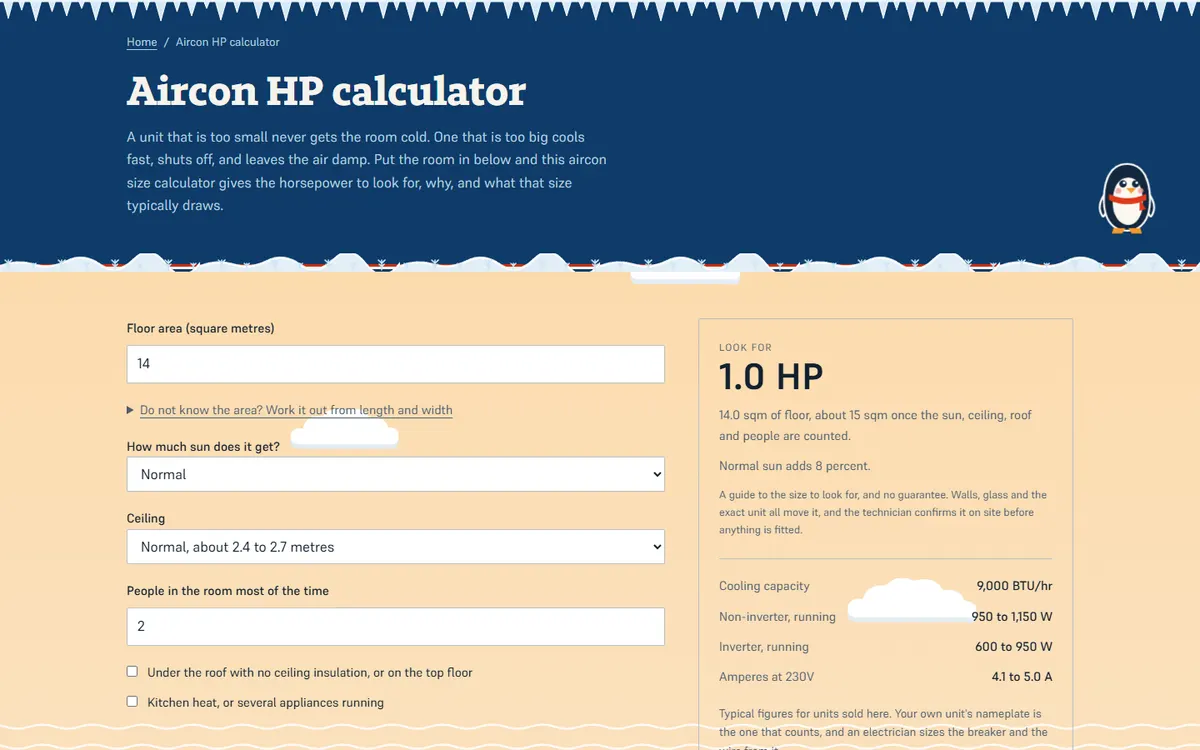
Open the live site of the aircon repair business (opens in a new tab)
A home-services site for an aircon cleaning and repair business, with two calculators customers use before they book.
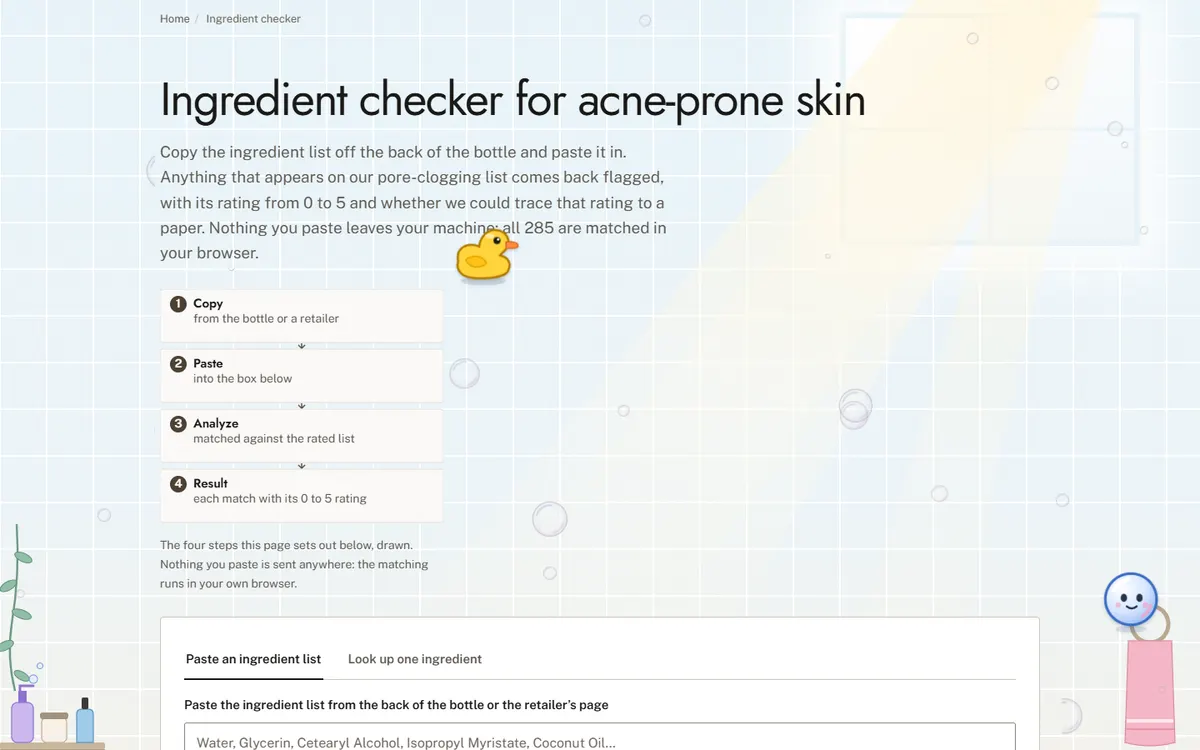
Open the live site of the skincare ingredient reference (opens in a new tab)
A reference site that rates pore-clogging skincare ingredients, with a checker that reads a whole ingredient list.
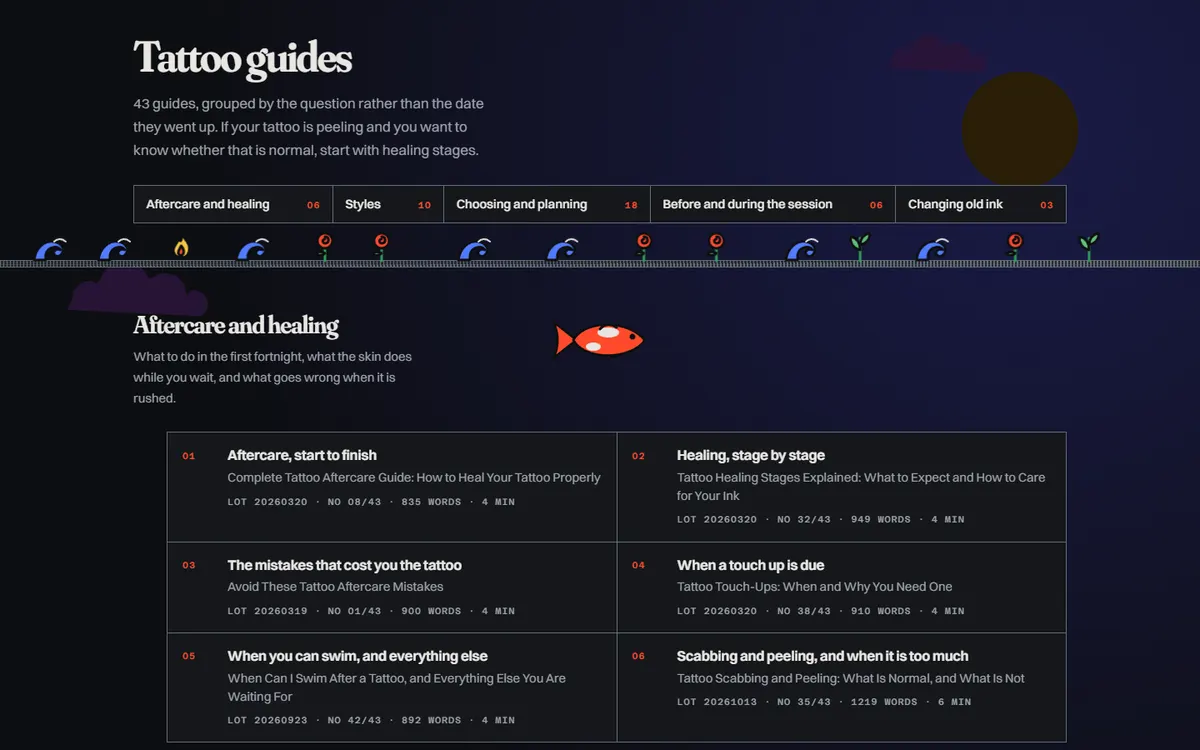
Open the live site of the tattoo artist (opens in a new tab)
A site for a tattoo artist who travels to the client, with a library of designs and aftercare guides.
Six stages on every site, whichever platform it is built on. The scope and the quote are agreed in writing after the first call, before any design starts.
01
What the site has to do, who it is for and what exists today. If there is a site already, we read its Search Console first, because the pages earning impressions decide what the new one must keep.
02
Every page listed with the search it answers and the action it asks for. On a redesign, every old URL is written beside its new home. You sign the map off before design starts.
03
Pages designed with your actual words and pictures, at phone width first. You review in the browser, on a staging address search engines are told to ignore.
04
Titles, descriptions, headings, schema and internal links are written as each page is built, so nothing is added at the end by somebody who never saw the page map.
05
Speed measured on a phone, every page at 320px wide and at 200 percent text, keyboard and screen reader checks, forms sent and received, redirects tested against the new build.
06
The switch, then Search Console read daily for two weeks. The domain, hosting and logins stay in your name, with a written note of how the site is built and a recorded session on editing it.
Speed
Measured in PageSpeed Insights on a phone before launch. Images sized for the slots they fill, fonts that do not block the page, no script a page does not use.
Accessibility
Text contrast, keyboard use, visible focus, alt text written for each picture, 44px tap targets on phones, and every page readable at 200 percent text.
SEO foundations
One title, description and H1 per page, schema, a sitemap that matches the site, clean URLs, redirects from every old address, and Search Console set up in your name.
Hosting handover
The domain, the hosting and every login in your name. We set the site up on your host, recommend one, or host it for you; either way you can move it.
Training
A recorded call showing whoever edits the site how to change a page, add a post and swap a picture, and a short written guide to keep beside it.
Two weeks after launch
Search Console, forms and errors checked daily for the first two weeks, and anything the launch broke fixed straight away.
It depends on how many programs and coaches you want pages for and how deeply the site connects to your booking software. You get a written quote after a short call, built around the programs you run.
Most gym and studio booking tools offer a schedule widget or a booking link. The site uses it, so classes, sign-ups and payments stay in the software you already run.
That is your call. A starting rate and the contract terms answer the question most people would otherwise call about. The site can do it either way.
No. A studio with one discipline might need a home page, a schedule, a first class page and a page per coach. The site is sized to what you run.
The site is set up for it, with program pages, your address and hours in the schema and your Google Business Profile matched. Reviews, distance and the gyms around you count for a lot on the map, and we look at your searches on the call.
You do. The domain is in your name, and the site is yours if you change booking software or providers.
A 30-minute call in your business hours. Tell us what work you want more of and where, and we will tell you what we would do first and what it involves. Prefer to write? Use the form, with or without a website, and the Passieon Team will reply within two business days.
Message us
Ask anything about your site or where your inquiries are going. It goes straight to a person, not a bot. Leave an email and you get a reply.