
Speed is part of the product
A static page with no plugin stack is about as fast as a page can be served, and it stays fast because nothing piles up on it over the years.
A custom build makes sense when the site has to do something a template cannot, or do it faster than a CMS allows: a calculator a visitor uses, a few hundred pages generated from data, a site that has to load in a second on a cheap phone, or content edited in one place and published to several.
PageSpeed Insights on the home pages of the 7 sites we link as our work, 14 Oct 2026.
Most of what we build custom is static. Pages are generated ahead of time with Astro and served as plain files, so there is no database to break, very little to attack and very little for a phone to download. Where a site needs logins, dashboards or live data, we build with Next.js and React. Content can be edited in a headless CMS, so your team still has an editor and never touches code.
A static page with no plugin stack is about as fast as a page can be served, and it stays fast because nothing piles up on it over the years.
Hundreds of location, product or comparison pages generated from one source, each with its own title, schema and content, all updated when the data changes.
Calculators, checkers and generators that run in the visitor’s browser, built into the site rather than embedded from somebody else’s.
If your team needs to change layouts every week without a developer, WordPress or Webflow will serve you better, and we will say so.
Our default for business, content and local service sites: pages built ahead of time, almost no JavaScript sent to the browser, hosted on any server or CDN.
For sites with logins, dashboards, live data, or anything a visitor uses rather than reads.
Content edited in a headless CMS and published to the site on save, so editors get a familiar editor and the site keeps its speed.
Built into the page and run in the browser, with the explanation and the schema around them, so the page can be found as well as used.
A custom build is where SEO and development are easiest to do together, because nothing is a default. Every title, description, heading, canonical tag and block of schema is generated from the same data as the page, so the two cannot disagree.
This site is built that way. Its build refuses to finish if a page is missing from the sitemap, if a title is too long for Google to show in full, or if a redirect points at a page that does not exist.
On top of the speed, accessibility, SEO, hosting handover and training that come with every build.
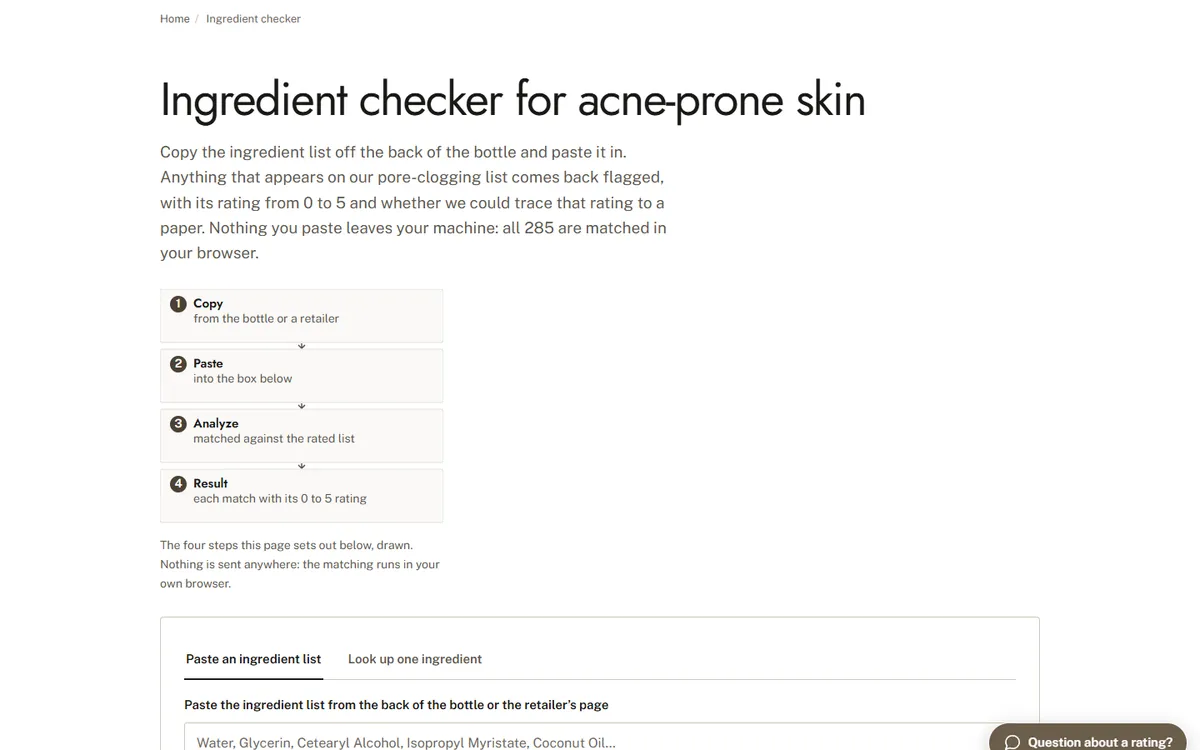
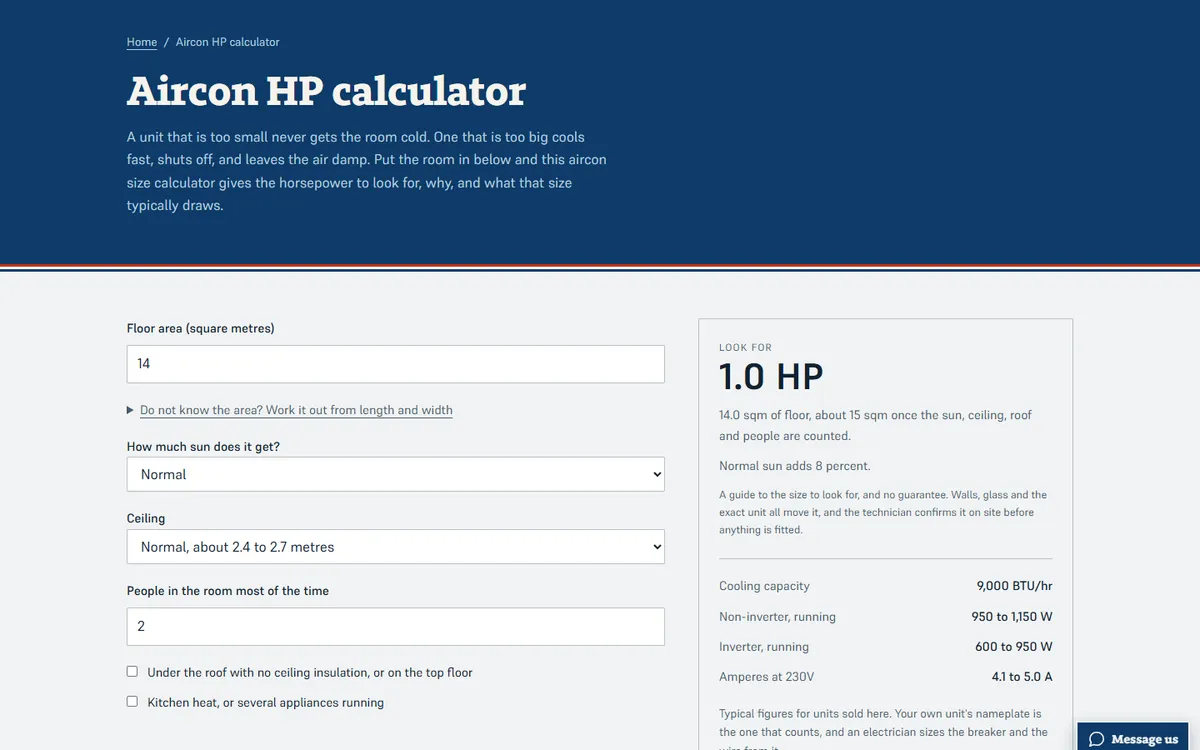
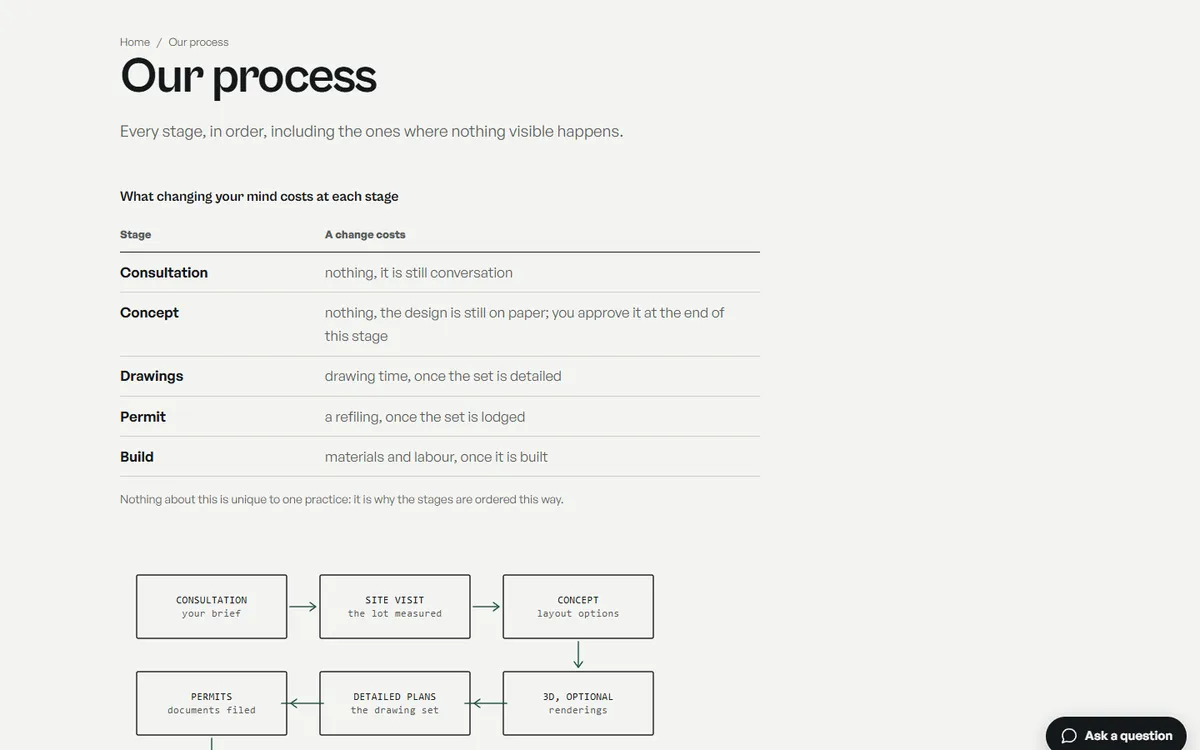
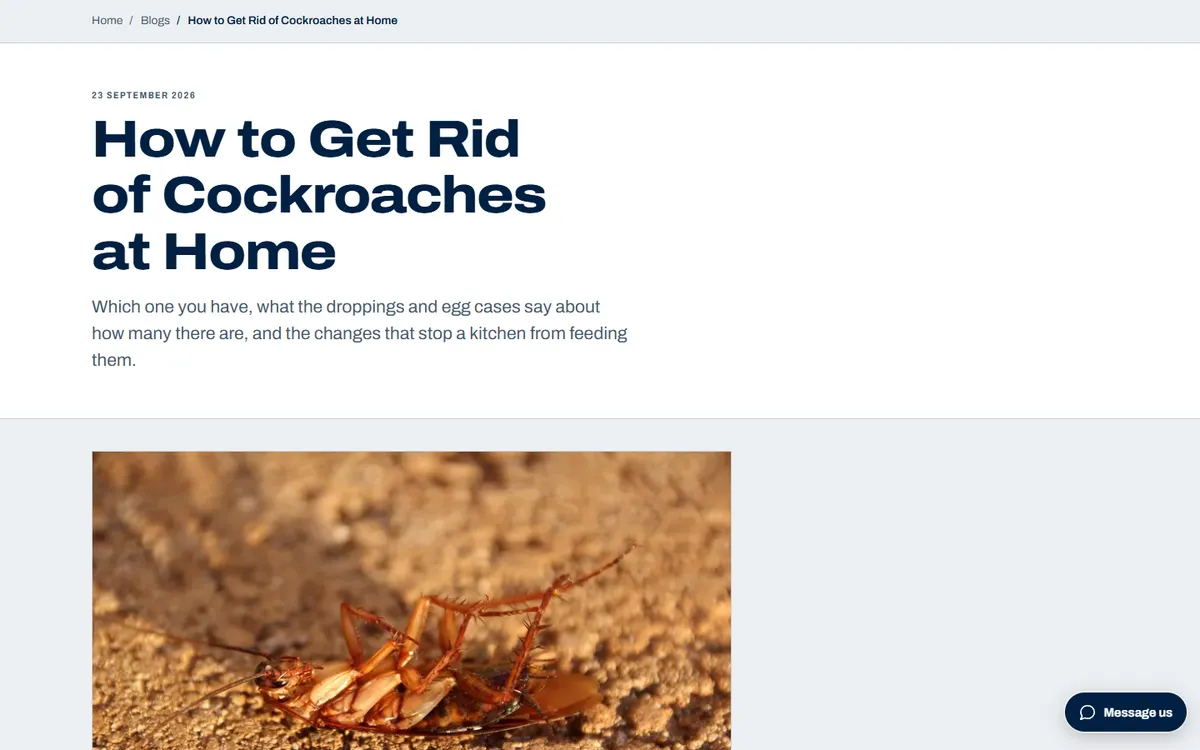
Each of these replaced a WordPress site and is now a static Astro site with tools built into its pages. Open them on your phone; the scores beside each were measured on the date shown.
Open the live site of the aircon repair business (opens in a new tab)
A home-services site for an aircon cleaning and repair business, with two calculators customers use before they book.
Open the live site of the architecture practice (opens in a new tab)
A site for an architecture practice: custom homes, renovations and permits, with the process drawn stage by stage and a lot coverage calculator.
Open the live site of the pest control company (opens in a new tab)
A home-services site for a pest control company: a page for each treatment, a library of pest guides and a droppings identifier.
Open the live site of the skincare ingredient reference (opens in a new tab)
A reference site that rates pore-clogging skincare ingredients, with a checker that reads a whole ingredient list.
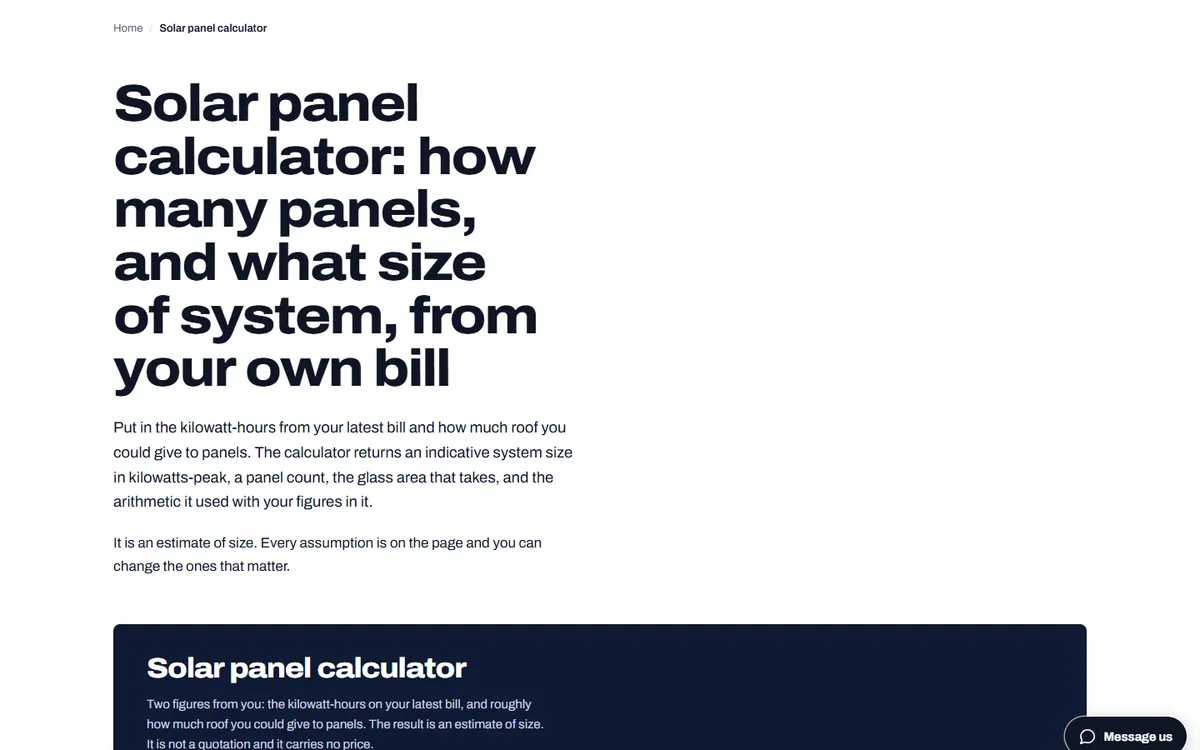
Open the live site of the solar installer (opens in a new tab)
A site for a solar panel installer, built around a calculator that sizes a system from the customer’s own electricity bill.
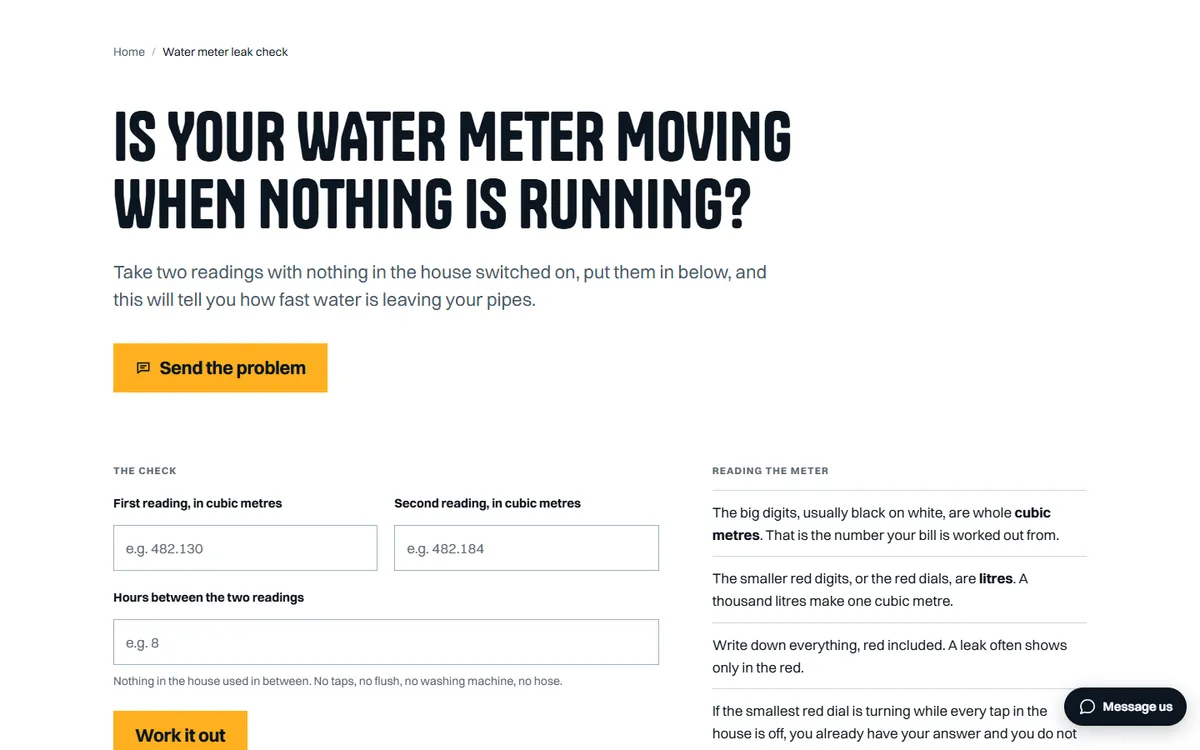
Open the live site of the plumbing business (opens in a new tab)
A home-services site for a plumber open seven days, with a water meter leak check customers run themselves.
Six stages on every site, whichever platform it is built on. The scope and the quote are agreed in writing after the first call, before any design starts.
01
What the site has to do, who it is for and what exists today. If there is a site already, we read its Search Console first, because the pages earning impressions decide what the new one must keep.
02
Every page listed with the search it answers and the action it asks for. On a redesign, every old URL is written beside its new home. You sign the map off before design starts.
03
Pages designed with your actual words and pictures, at phone width first. You review in the browser, on a staging address search engines are told to ignore.
04
Titles, descriptions, headings, schema and internal links are written as each page is built, so nothing is added at the end by somebody who never saw the page map.
05
Speed measured on a phone, every page at 320px wide and at 200 percent text, keyboard and screen reader checks, forms sent and received, redirects tested against the new build.
06
The switch, then Search Console read daily for two weeks. The domain, hosting and logins stay in your name, with a written note of how the site is built and a recorded session on editing it.
Speed
Measured in PageSpeed Insights on a phone before launch. Images sized for the slots they fill, fonts that do not block the page, no script a page does not use.
Accessibility
Colour contrast, keyboard use, visible focus, alt text written for each picture, 44px tap targets on phones, and every page readable at 200 percent text.
SEO foundations
One title, description and H1 per page, schema, a sitemap that matches the site, clean URLs, redirects from every old address, and Search Console set up in your name.
Hosting handover
The domain, the hosting and every login in your name. We set the site up on your host, recommend one, or host it for you; either way you can move it.
Training
A recorded call showing whoever edits the site how to change a page, add a post and swap a picture, and a short written guide to keep beside it.
Two weeks after launch
Search Console, forms and errors checked daily for the first fortnight, and anything the launch broke fixed straight away.
Not with a headless CMS. Editors get a normal editor with fields for each kind of page, and publishing a change rebuilds the site in a minute or two. What they cannot do is redesign a page by dragging blocks around; layout changes go through a developer.
For a site that is mostly pages, Astro sends the browser finished HTML and very little else, so it loads faster and there are no plugins to update or patch. For a site where your team builds new layouts every week, WordPress is the better tool.
You do. The code lives in a repository in your name, the hosting is yours, and the build is documented so another developer can pick it up.
Usually, yes. A tool built as a self-contained component can sit inside a WordPress, Webflow or Shopify page as well as a custom one.
A 30-minute call in your working hours. Tell us what you sell and where, and we will tell you what we would do first and what it involves. Prefer email? Send your website through the form and the Passieon Team will reply within two working days.
Message us
Ask anything about your site or where your enquiries are going. It goes straight to a person, not a bot. Leave an email and you get a reply.